



119 Plasma Cutter Tips Starting at $11.80
Plasma cutter tips play a key role in shaping and directing the plasma arc for accurate, efficient cutting. These consumables are engineered to control arc constriction and airflow, which directly impacts cut quality and edge finish. Over time, tips wear from heat and molten metal exposure, making routine replacement essential for maintaining clean cuts and consistent performance. Choosing the right tip for your application helps improve your cuts while also protecting other torch components from unnecessary wear.
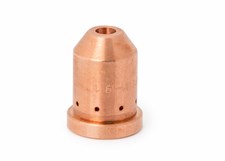 Lincoln Welding and Plasma Cutting Accessories
Tomahawk® 1500 Gouging Nozzle-100A (LC105) #KP4141-19
Lincoln Welding and Plasma Cutting Accessories
Tomahawk® 1500 Gouging Nozzle-100A (LC105) #KP4141-19
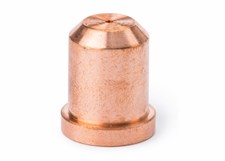 Lincoln Welding and Plasma Cutting Accessories
Tomahawk® 1500 Nozzle-40A (LC105) #KP4141-4
Lincoln Welding and Plasma Cutting Accessories
Tomahawk® 1500 Nozzle-40A (LC105) #KP4141-4
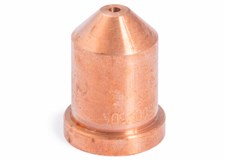 Lincoln Welding and Plasma Cutting Accessories
Tomahawk® 1500 Nozzle-60A (LC105) #KP4141-5
Lincoln Welding and Plasma Cutting Accessories
Tomahawk® 1500 Nozzle-60A (LC105) #KP4141-5
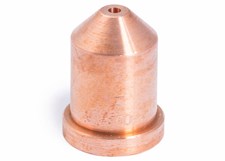 Lincoln Welding and Plasma Cutting Accessories
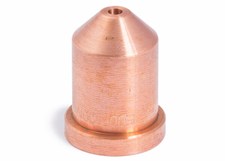
Tomahawk® 1500 Nozzle - 80A (LC105) #KP4141-6
5 purchased
Lincoln Welding and Plasma Cutting Accessories
Tomahawk® 1500 Nozzle - 80A (LC105) #KP4141-6
5 purchased
 Lincoln Welding and Plasma Cutting Accessories
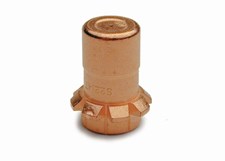
Tomahawk® 1500 Nozzle-100A (LC105) #KP4141-7
Lincoln Welding and Plasma Cutting Accessories
Tomahawk® 1500 Nozzle-100A (LC105) #KP4141-7
 Lincoln Welding and Plasma Cutting Accessories
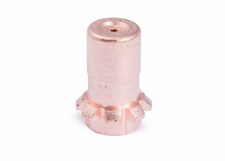
PCT-20 Nozzle .028 in (.7 mm) #KP2062-1B1
Lincoln Welding and Plasma Cutting Accessories
PCT-20 Nozzle .028 in (.7 mm) #KP2062-1B1
 Lincoln Welding and Plasma Cutting Accessories
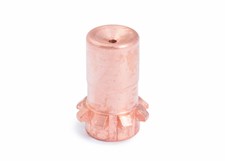
PCT-20/80 Nozzle (60 - 85 Amp.) #KP2062-3B1
Lincoln Welding and Plasma Cutting Accessories
PCT-20/80 Nozzle (60 - 85 Amp.) #KP2062-3B1
 Lincoln Welding and Plasma Cutting Accessories
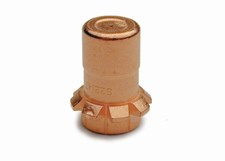
PCT-80 Gouging Nozzle .068 in (1.7 mm) #KP2062-4B1
1 purchased
Lincoln Welding and Plasma Cutting Accessories
PCT-80 Gouging Nozzle .068 in (1.7 mm) #KP2062-4B1
1 purchased
 Lincoln Welding and Plasma Cutting Accessories
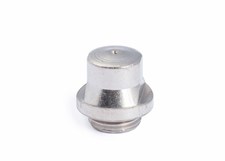
PCT-80 Gouging Nozzle .082 in (2.1 mm) #KP2062-5B1
Lincoln Welding and Plasma Cutting Accessories
PCT-80 Gouging Nozzle .082 in (2.1 mm) #KP2062-5B1
 Lincoln Welding and Plasma Cutting Accessories
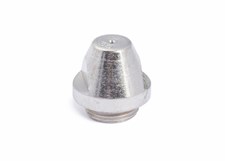
PCT-40 Nozzle #KP2008-5B1
Lincoln Welding and Plasma Cutting Accessories
PCT-40 Nozzle #KP2008-5B1
 Lincoln Welding and Plasma Cutting Accessories
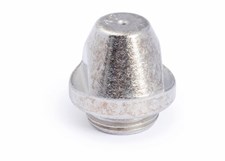
PCT-60 Nozzle #KP2008-1B1
Lincoln Welding and Plasma Cutting Accessories
PCT-60 Nozzle #KP2008-1B1
 Lincoln Welding and Plasma Cutting Accessories
PCT-60 Nozzle #KP2008-2B1
Lincoln Welding and Plasma Cutting Accessories
PCT-60 Nozzle #KP2008-2B1
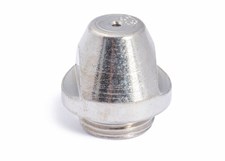 Lincoln Welding and Plasma Cutting Accessories
PCT-60 Nozzle #KP2008-3B1
Lincoln Welding and Plasma Cutting Accessories
PCT-60 Nozzle #KP2008-3B1
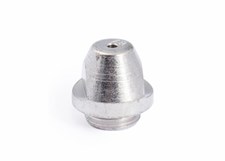 Lincoln Welding and Plasma Cutting Accessories
PCT-60 Nozzle #KP2008-4B1
Lincoln Welding and Plasma Cutting Accessories
PCT-60 Nozzle #KP2008-4B1
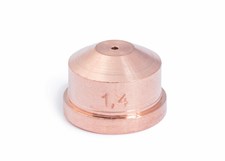
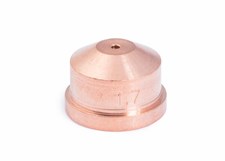 Lincoln Welding and Plasma Cutting Accessories
PCT-125 Nozzle .067 in (1.7 mm) #KP2042-2B1
Lincoln Welding and Plasma Cutting Accessories
PCT-125 Nozzle .067 in (1.7 mm) #KP2042-2B1
 Lincoln Welding and Plasma Cutting Accessories
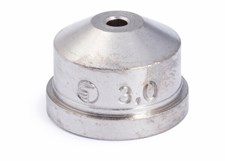
PCT-125 Nozzle .118 in (3.0 mm) #KP2042-4B1
Lincoln Welding and Plasma Cutting Accessories
PCT-125 Nozzle .118 in (3.0 mm) #KP2042-4B1
 Lincoln Welding and Plasma Cutting Accessories
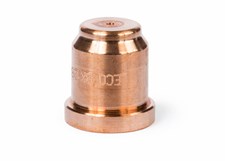
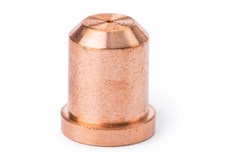
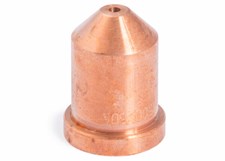
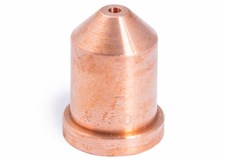
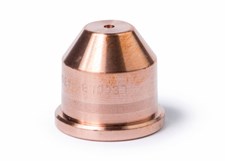
FlexCut® LC125M Nozzle, 105A #BK14300-10
5 purchased
Lincoln Welding and Plasma Cutting Accessories
FlexCut® LC125M Nozzle, 105A #BK14300-10
5 purchased
 Lincoln Welding and Plasma Cutting Accessories
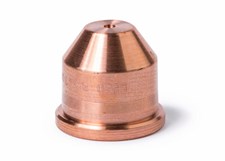
FlexCut® LC125M Nozzle, 125A #BK14300-11
5 purchased
Lincoln Welding and Plasma Cutting Accessories
FlexCut® LC125M Nozzle, 125A #BK14300-11
5 purchased
 Lincoln Welding and Plasma Cutting Accessories
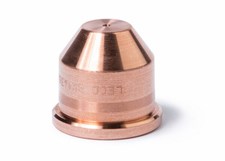
FlexCut® LC125M Nozzle, 45A #BK14300-7
40 purchased
Lincoln Welding and Plasma Cutting Accessories
FlexCut® LC125M Nozzle, 45A #BK14300-7
40 purchased
Why Do Plasma Cutter Tips Wear Out Quickly?
Plasma cutter tips degrade due to constant exposure to extreme temperatures and high velocity plasma flow. As molten metal passes through the tip opening, it can cause erosion, warping, or clogging that affects arc focus. Excessive amperage, dragging the tip on the work surface, and contaminated air supply can all accelerate wear. Using the correct stand off distance and maintaining clean, dry air will help extend the lifespan of your tips.
Plasma Cutter Tips to Match Your Equipment
Plasma cutter tips are designed for specific torches, amperage ranges, and cutting applications. Different tip sizes are built for varying thicknesses and output levels, so selecting the correct option for your machine and workload is important. Always verify compatibility with your torch model to avoid poor performance or premature consumable failure.
How Many Tips Do I Need?
Tip usage varies based on cutting time, material type, and operating habits. On average, a plasma cutter tip lasts about 1 to 3 hours of active cutting before performance begins to decline. Users running 5 to 10 hours per month may go through 2 to 5 tips monthly, while those operating 20 to 40 hours per month can expect to use 8 to 20 tips. High demand environments exceeding 80 hours per month may require 30 to 60+ tips depending on amperage and cutting conditions. Keeping extra tips available ensures consistent cut quality and minimizes interruptions during critical work.