



56 Plasma Cutter Electrodes Starting at $16.70
Plasma cutter electrodes are critical consumables that help generate and maintain the arc needed for clean, precise cutting. Electrodes are designed to handle extreme heat and electrical load, however, components gradually wear down with use and must be replaced to maintain optimal performance. High quality electrodes ensure consistent arc starts, stable cutting output, and reduced downtime across fabrication, repair, and industrial applications. Pairing the right electrode with your plasma cutter helps maximize cut quality while extending the life of your torch and other consumables.
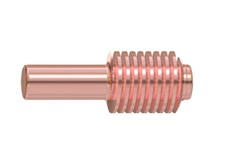 Hypertherm Accessories
Powermax 45 Electrode #220669 or #228844
1548 purchased
Hypertherm Accessories
Powermax 45 Electrode #220669 or #228844
1548 purchased
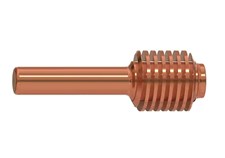 Hypertherm Accessories
Powermax 30/45 Electrode (15-30A) #220478 (pack of 5)
517 purchased
Hypertherm Accessories
Powermax 30/45 Electrode (15-30A) #220478 (pack of 5)
517 purchased
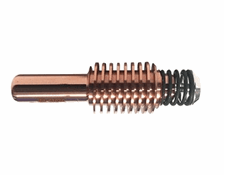 Hypertherm Accessories
Powermax 45/45XP/65/85/105 Electrode #220842 or #228767
4150 purchased
Hypertherm Accessories
Powermax 45/45XP/65/85/105 Electrode #220842 or #228767
4150 purchased
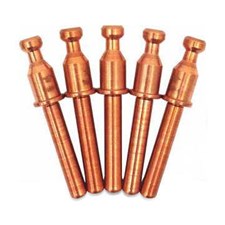 Thermal Dynamics
 Cutmaster 42 Electrode #9-0096 (pack of 5)
1286 purchased
Thermal Dynamics
Thermal Dynamics Cutmaster 42 Electrode #9-0096 (pack of 5)
1286 purchased
 Thermal Dynamics
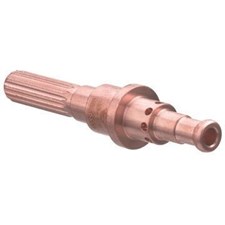
 Cutmaster 52 Electrode #9-8215 (pack of 5)
700 purchased
Thermal Dynamics
Thermal Dynamics Cutmaster 52 Electrode #9-8215 (pack of 5)
700 purchased
 Hypertherm Accessories
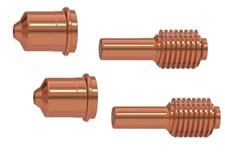
Powermax30 XP Dual Nozzle/Electrode Set #428243
300 purchased
Hypertherm Accessories
Powermax30 XP Dual Nozzle/Electrode Set #428243
300 purchased
 Hypertherm Accessories
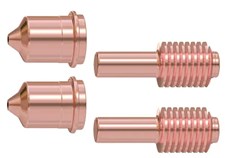
Powermax30 XP Fine Cut Nozzle & Electrode Set (15-30 A) #428244
307 purchased
Hypertherm Accessories
Powermax30 XP Fine Cut Nozzle & Electrode Set (15-30 A) #428244
307 purchased
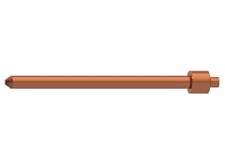 Hypertherm Accessories
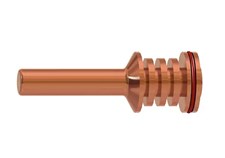
HyAccess Extended Electrode (15-45A) for Powermax 30/30XP/45 #420137
54 purchased
Hypertherm Accessories
HyAccess Extended Electrode (15-45A) for Powermax 30/30XP/45 #420137
54 purchased
 Hypertherm Accessories
HPR130XD & HPR260XD Consumables Mild Steel Electrode #220192 (pack of 5)
41 purchased
Hypertherm Accessories
HPR130XD & HPR260XD Consumables Mild Steel Electrode #220192 (pack of 5)
41 purchased
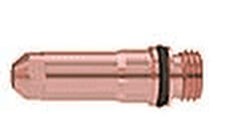 Hypertherm Accessories
HPR130XD & HPR260XD Consumables Mild Steel Electrode #220552
146 purchased
Hypertherm Accessories
HPR130XD & HPR260XD Consumables Mild Steel Electrode #220552
146 purchased
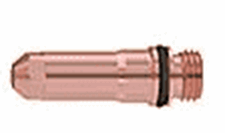 Hypertherm Accessories
HPR130XD & HPR260XD Consumables Mild Steel Electrode #220187 (pack of 5)
128 purchased
Hypertherm Accessories
HPR130XD & HPR260XD Consumables Mild Steel Electrode #220187 (pack of 5)
128 purchased
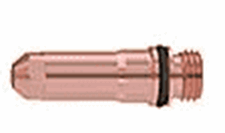 Hypertherm Accessories
HPR130XD & HPR260XD Consumables Mild Steel Electrode #220181 (pack of 5)
206 purchased
Hypertherm Accessories
HPR130XD & HPR260XD Consumables Mild Steel Electrode #220181 (pack of 5)
206 purchased
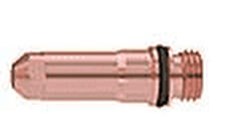 Hypertherm Accessories
HPR130XD & HPR260XD Consumables Mild Steel Electrode #220802
36 purchased
Hypertherm Accessories
HPR130XD & HPR260XD Consumables Mild Steel Electrode #220802
36 purchased
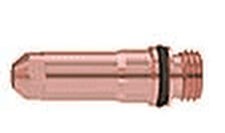 Hypertherm Accessories
HPR130XD & HPR260XD Consumables Mild Steel Electrode #220649
93 purchased
Hypertherm Accessories
HPR130XD & HPR260XD Consumables Mild Steel Electrode #220649
93 purchased
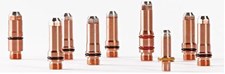 Hypertherm Accessories
HPR130XD&HPR260XD Consumables Mild Steel SilverPlus Electrode #220665
88 purchased
Hypertherm Accessories
HPR130XD&HPR260XD Consumables Mild Steel SilverPlus Electrode #220665
88 purchased
 Hypertherm Accessories
HPR260XD Consumables Mild Steel Electrode #220352 (pack of 5)
17 purchased
Hypertherm Accessories
HPR260XD Consumables Mild Steel Electrode #220352 (pack of 5)
17 purchased
 Hypertherm Accessories
HPR260XD Consumables Mild Steel Electrode #220435 (pack of 5)
125 purchased
Hypertherm Accessories
HPR260XD Consumables Mild Steel Electrode #220435 (pack of 5)
125 purchased
 Hypertherm Accessories
HPR260XD Consumables Mild Steel Electrode #220662
12 purchased
Hypertherm Accessories
HPR260XD Consumables Mild Steel Electrode #220662
12 purchased
 Hypertherm Accessories
HPR260XD Consumables Mild Steel Electrode #220541
47 purchased
Hypertherm Accessories
HPR260XD Consumables Mild Steel Electrode #220541
47 purchased
 Thermal Dynamics
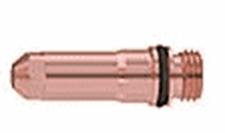
HPR260XD Consumables Mild Steel Electrode #220899
Thermal Dynamics
HPR260XD Consumables Mild Steel Electrode #220899
 Hypertherm Accessories
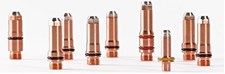
HPR260XD Consumables Mild Steel SilverPlus Electrode #220666
41 purchased
Hypertherm Accessories
HPR260XD Consumables Mild Steel SilverPlus Electrode #220666
41 purchased
 Thermal Dynamics
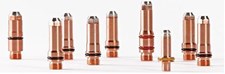
HPR260XD Consumables Mild Steel SilverPlus Electrode #220668
100 purchased
Thermal Dynamics
HPR260XD Consumables Mild Steel SilverPlus Electrode #220668
100 purchased
Why Do Plasma Cutter Electrodes Wear Out Quickly?
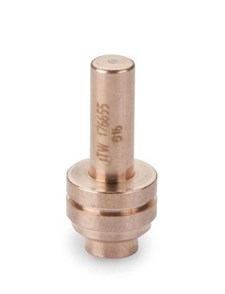
Plasma cutter electrodes wear out due to the intense heat and electrical current required to create the plasma arc. Each time the arc starts, a small amount of electrode material is consumed, which over time leads to pitting and reduced performance. Factors like high amperage, frequent starts and stops, poor air quality, and incorrect consumable pairing can accelerate wear. Keeping your air supply clean and dry and using the correct settings can significantly extend electrode life.
Plasma Cutter Electrodes to Match Your Equipment
Plasma cutter electrodes are designed to match specific torch models and machine outputs. Many systems require model specific consumables, so checking compatibility with your torch and amperage range is key before purchasing replacements.
How Many Electrodes Do I Need?
The number of electrodes you need depends largely on your usage hours and cutting conditions. On average, a single electrode lasts around 1 to 2 hours of active arc time under normal conditions. Hobbyists using a plasma cutter about 5 to 10 hours per month can expect to go through roughly 3 to 6 electrodes monthly. Light commercial users operating 20 to 40 hours per month may use 10 to 25 electrodes monthly, while high production environments running 80+ hours per month can easily consume 40 to 80+ electrodes. Keeping a steady supply on hand helps prevent downtime, especially in applications with frequent starts and higher amperage settings that increase wear.