103 Plasma Cutting Torches Starting at $446.54
Plasma cutting torches deliver the arc, gas flow, and precision needed for accurate metal cutting. Torches house key consumables like electrodes and tips while providing control and durability for the operator. Whether used in light fabrication or heavy industrial settings, a reliable plasma cutting torch ensures consistent arc stability, clean cuts, and efficient performance across a wide range of materials. Selecting the right torch helps maximize productivity while reducing wear on your plasma cutting system.
 Duramax Torches
Duramax Lock Hand Torch Assembly 75 deg - 20' - #088164
53 purchased
Duramax Torches
Duramax Lock Hand Torch Assembly 75 deg - 20' - #088164
53 purchased
 Powermax Plasma Cutters
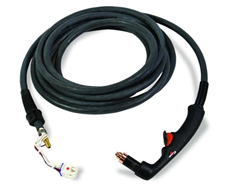
Duramax HRT Hand Torch Assembly with 25 ft Leads #228788
33 purchased
Powermax Plasma Cutters
Duramax HRT Hand Torch Assembly with 25 ft Leads #228788
33 purchased
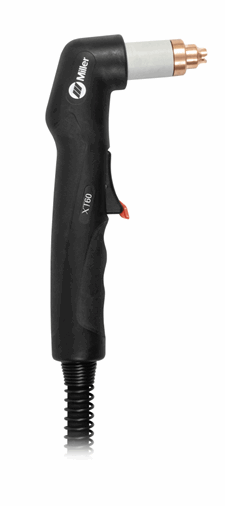 Miller Plasma Cutters
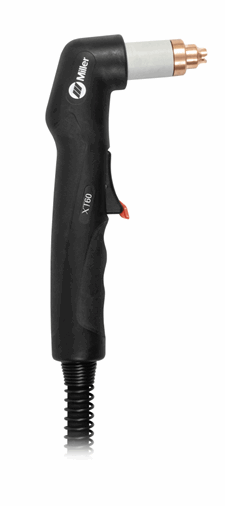
XT60 50 ft Hand Held Torch #249954
21 purchased
Miller Plasma Cutters
XT60 50 ft Hand Held Torch #249954
21 purchased
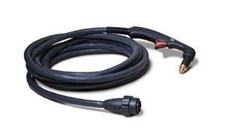
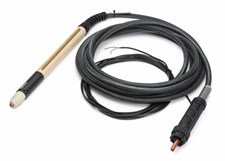 Lincoln Welding and Plasma Cutting Accessories
Tomahawk® LC65M Machine Plasma Torch - 25 ft (7.5m) #K2848-3
1 purchased
Lincoln Welding and Plasma Cutting Accessories
Tomahawk® LC65M Machine Plasma Torch - 25 ft (7.5m) #K2848-3
1 purchased
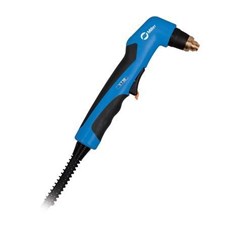 Miller Electric
XT30, 12FT HAND HELD TORCH (REPLACEMENT) #249949
23 purchased
Miller Electric
XT30, 12FT HAND HELD TORCH (REPLACEMENT) #249949
23 purchased
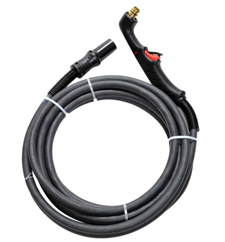
 Miller Electric
Plasma Cutting Torch XT40, 12FT Hand Held Torch (Replacement) #249951
22 purchased
Miller Electric
Plasma Cutting Torch XT40, 12FT Hand Held Torch (Replacement) #249951
22 purchased
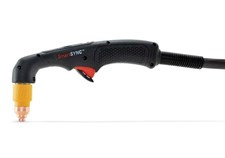 Hypertherm
Powermax 25' SmartSYNC 75° Hand Torch #59726 #059726
11 purchased
Hypertherm
Powermax 25' SmartSYNC 75° Hand Torch #59726 #059726
11 purchased
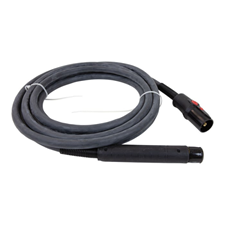 Hypertherm
Powermax 75' SmartSYNC 90° Robotic/Mini Torch #059767
1 purchased
Hypertherm
Powermax 75' SmartSYNC 90° Robotic/Mini Torch #059767
1 purchased
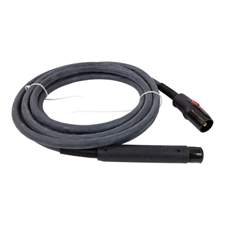 Hypertherm
Powermax 50' SmartSYNC 180° Robotic/Mini Torch #059735
2 purchased
Hypertherm
Powermax 50' SmartSYNC 180° Robotic/Mini Torch #059735
2 purchased
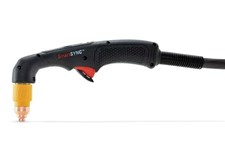
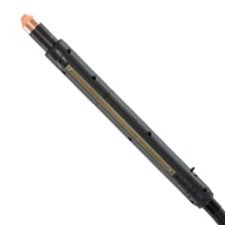 Hypertherm
50ft Duramax Lock Plasma Machine Torch (without Consumables) 088169
8 purchased
Hypertherm
50ft Duramax Lock Plasma Machine Torch (without Consumables) 088169
8 purchased
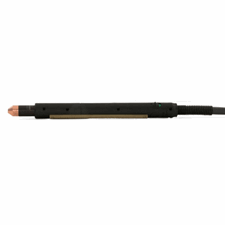 Powermax Plasma Cutters
Duramax Lock Machine Torch Assembly 180 deg - 25' - 088167
50 purchased
Powermax Plasma Cutters
Duramax Lock Machine Torch Assembly 180 deg - 25' - 088167
50 purchased
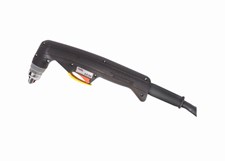 Lincoln Welding and Plasma Cutting Accessories
LC30 Tomahawk® 30 AIR Replacement Plasma Torch #K5537-1
1 purchased
Lincoln Welding and Plasma Cutting Accessories
LC30 Tomahawk® 30 AIR Replacement Plasma Torch #K5537-1
1 purchased
 Miller Accessories
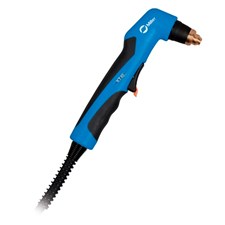
XT40 Replacement Handheld Plasma Torch, 20ft #249952
2 purchased
Miller Accessories
XT40 Replacement Handheld Plasma Torch, 20ft #249952
2 purchased
 Hypertherm
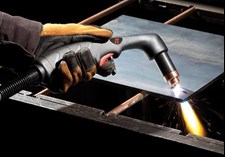
Duramax HRT handheld torch 75°, 15.2 m (50') lead for Powermax1000, 1250, 1650 #228789
3 purchased
Hypertherm
Duramax HRT handheld torch 75°, 15.2 m (50') lead for Powermax1000, 1250, 1650 #228789
3 purchased
 Hypertherm
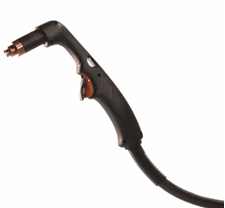
HYPERTHERM 50FT DURAMAX HAND TORCH ASSEMBLY #059474
25 purchased
Hypertherm
HYPERTHERM 50FT DURAMAX HAND TORCH ASSEMBLY #059474
25 purchased
 Duramax Torches
Hypertherm® 45 Amp T45v Plasma Torch With 50' Leads And 75⁰ Torch Head #088009
2 purchased
Duramax Torches
Hypertherm® 45 Amp T45v Plasma Torch With 50' Leads And 75⁰ Torch Head #088009
2 purchased
 Hypertherm
180° Duramax Hyamp Machine Plasma Torch w/ 35' Lead #059521
Hypertherm
180° Duramax Hyamp Machine Plasma Torch w/ 35' Lead #059521
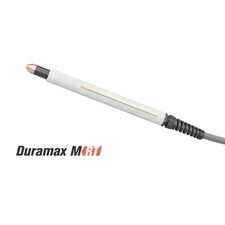 Hypertherm
Duramax MRT 180° Machine Torch w/ 25' Lead (for Powermax1000, 1250, 1650) #228790
Hypertherm
Duramax MRT 180° Machine Torch w/ 25' Lead (for Powermax1000, 1250, 1650) #228790
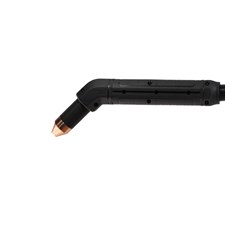 Hypertherm
Powermax45 XP 45° Duramax Robotic Plasma Torch w/ 25' Lead #059464
Hypertherm
Powermax45 XP 45° Duramax Robotic Plasma Torch w/ 25' Lead #059464
How Often Should You Replace Your Plasma Cutting Torch?
Plasma cutting torches are built to last and typically do not need frequent replacement like consumables. Under normal conditions, a torch can last several hundred hours of cutting time, which translates to 2 to 5+ years for light users, 1 to 3 years in moderate shop environments, and around 6 months to 1.5 years in high production settings. Actual lifespan depends on factors like air quality, operating amperage, and how well consumables are maintained. Regularly replacing worn tips and electrodes, along with using proper cutting technique, can significantly extend the life of your torch and delay the need for replacement.
Plasma Cutters Torches to Match Your Equipment
Plasma cutting torches are designed to work with specific machines, amperage ranges, and applications, making compatibility an important factor when choosing a replacement. Using the correct torch ensures proper connections, optimal gas flow, and stable arc performance. Some torches are built for portability and lighter duty work, while others are designed for high output industrial cutting. Matching your torch to your plasma cutter model helps maintain efficiency, safety, and overall system longevity.
How Many Torches Do I Need?
Most users only need one primary plasma cutting torch, but having a backup can help prevent downtime in case of failure or heavy wear. Unlike consumables, torches typically last hundreds of hours when properly maintained, though lifespan varies based on usage intensity and operating conditions. Light users may go years without replacing a torch, while high production environments may keep one or two spares available to ensure continuous operation. Keeping an extra torch on hand is especially useful for shops that rely on consistent daily cutting performance.